Gold gets the headlines. Silver does double duty: It functions as both a precious metal and an industrial commodity, making it one of the more misunderstood assets in the market.
That dual identity makes silver tricky: It can act like a safe haven one moment and a cyclical growth asset the next.
In periods of inflation or economic uncertainty, precious metals tend to attract attention as potential stores of value. But unlike gold, silver’s price is also closely tied to global industrial demand, giving it a different risk-and-return profile.
Before adding silver to a portfolio, it’s important to understand what drives its value – and how it could potentially fit into your broader investment strategy.
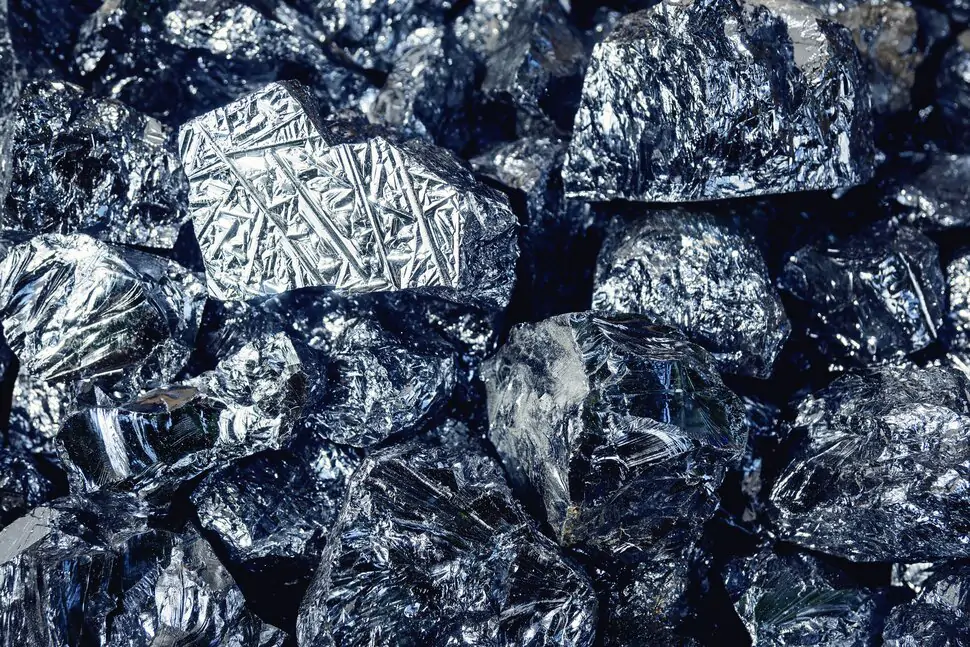
What Drives Silver Prices?
Americans have a long history with silver. The Coinage Act of 1792 established a mint and the silver dollar as the unit of money in the U.S.
By the early 1960s, silver prices rose above $1.29 per ounce – the point at which the metal value of U.S. coins exceeded their face value. To prevent hoarding and coin shortages, the U.S. removed silver from most circulating coins by 1970.
Today, silver prices are shaped by a variety of macroeconomic forces and industrial demand. Silver benefits from rising inflation expectations, declining real interest rates and a weakening U.S. dollar. Also, because silver is used in manufactured durable goods, like smartphones, TVs, automotive electronics, solar panels and computers, demand often rises alongside economic growth and technological expansion.
Sonu Varghese, chief macro strategist at Carson Group, highlights this distinction: “Silver does have much larger industrial exposure than gold, which is another reason why it’s more volatile (since it’s more exposed to cyclical economic conditions)。” Varghese adds, “In solar energy, silver is used in photovoltaic cells, but its demand is not limited to that sector.”
In terms of market scale, Business Research Co. estimates the silver ore market is expected to grow to $8.4 billion in 2026, at a compound annual growth rate (CAGR) of 5.5%, and to $11 billion in 2030, at a CAGR of 7.1%.
In practice, that means silver often performs best when inflation is rising and economic activity remains strong.
Ways to Invest in Silver
There are a variety of ways you can invest in silver, each with different costs, risks and benefits.
Physical silver. Coins and bullion can provide direct ownership, but they come with the challenges of storage, insurance and liquidity.
Silver exchange-traded funds, or ETFs. Silver ETFs like iShares Silver Trust (ticker: SLV) track the performance of silver and offer liquidity and convenience without the need for physical storage. Another example is Global X Silver Miners ETF (SIL), which covers a broad range of silver mining companies.
Silver mining stocks. Miners such as Wheaton Precious Metals Corp. (WPM) provide indirect exposure to silver. The performance of mining stocks is influenced by several factors, including silver prices, production levels and new streaming or acquisition activity.
Futures and derivatives. Designed for experienced investors to speculate on silver prices.
Potential Benefits
Silver can offer several potential benefits within your portfolio:
Diversification. Silver prices don’t always move in tandem with stocks and bonds, which can help mitigate overall portfolio risk.
Inflation hedge. Like other precious metals, silver may hold value during periods of rising prices, though its track record is less consistent than gold’s.
Industrial demand growth. Silver could potentially benefit from high consumer demand for manufactured goods.
Risks of Investing in Silver
Despite silver’s potential benefits, it also has notable risks:
High volatility. Like other precious metals, silver prices can fluctuate significantly.
Economic sensitivity. Because of its industrial uses, silver may decline during economic downturns.
Storage and costs. Physical silver requires secure storage and insurance, which can diminish net returns.
Trevor Yates, senior investment analyst at Global X, adds, “One of the biggest risks investors should consider is that silver has historically been more volatile and cyclical than gold, reflecting its smaller market size and greater exposure to industrial demand. Because of this, position sizing is important when allocating to silver or silver miners.”
How Much Silver Should You Own?
For many investors, silver is best viewed as a complementary holding, not a core investment. Research from Oxford Economics suggests the optimal range for a silver allocation in a multi-asset portfolio is about 4.4% to 6%, depending on an investor’s goals and risk tolerance.
“We believe silver checks all the boxes,” says Yates. “Silver can play a unique role in portfolios because it combines the diversification benefits of commodities with exposure to powerful structural demand trends like solar.”
A Metal of Two Minds
Silver may not have the same reputation as gold, but its unique blend of industrial demand and investment appeal gives it a distinct place in the market. For investors, that can mean both opportunity and volatility.
Used thoughtfully, silver can add diversification and potential upside during certain market conditions. Silver’s strength – and its challenge – comes from its dual identity: It doesn’t behave like gold, and it doesn’t behave like stocks. It can play a role in your portfolio – just not a shiny, prominent one.
